
Smarter Choices for a Lower-Carbon Home

Today we explore the cost and performance trade-offs of carbon-sequestering building products for homeowners, translating research and field experience into clear, practical guidance. You will see where money is best invested, how comfort and durability are affected, and which choices can lock away carbon without compromising safety, resilience, or everyday livability.

What Carbon-Sequestering Materials Actually Do

Carbon-sequestering building products store atmospheric carbon within your home’s structure, finishes, and insulation, either by growing it into bio-based materials or by mineralizing it into stable forms. When carefully detailed, they can shrink embodied emissions while supporting comfort, efficiency, and a grounded sense of place, provided we respect climate, moisture, and code realities.

Upfront Price vs Lifetime Value

Expect some options to carry modest premiums relative to conventional choices, especially where market familiarity is limited. Yet lifetime value emerges through energy savings, comfort, durability, and potential resale advantages. Incentives, rebates, and smarter design reduce costs, while avoiding moisture failures or unhealthy materials protects your budget and your home’s long-term performance.

Where the money goes

Costs concentrate in materials, skilled labor, logistics, and details that control moisture and air leakage. A learning curve can raise bids when contractors are unfamiliar. As supply chains mature, premiums often narrow. Consider packaging measures—air sealing, exterior insulation, flashing upgrades—so the total assembly delivers stronger returns than any single product alone.

Stacking incentives and financing

Look for utility rebates, municipal grants, and green mortgage products that reward lower energy demand or verified carbon reductions. Some lenders value improved envelope resilience and durability. Bundling insulation, air sealing, and ventilation improvements can unlock better incentive tiers. Ask programs how they evaluate embodied impacts, not just operational savings, to recognize full benefits.

Performance, Comfort, and Everyday Living
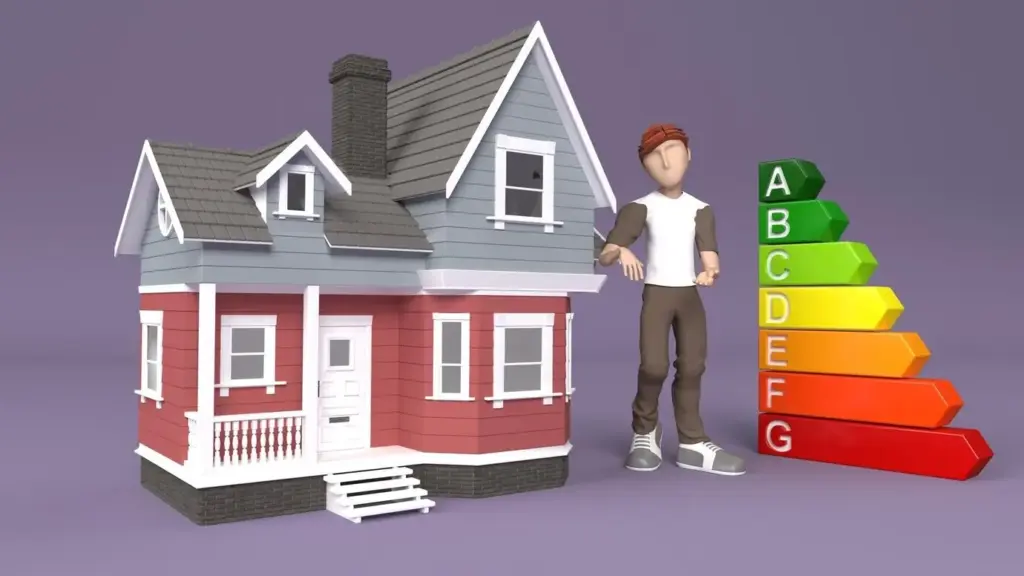
Real performance is felt as steady temperatures, quiet rooms, and surfaces that stay dry. Carbon-storing assemblies can regulate humidity, resist temperature swings, and dampen sound. Success depends on airtightness, continuous insulation, good ventilation, and smart water management. The reward is calmer comfort, reduced energy needs, and an interior that feels genuinely healthy.

Fire safety without compromise

Mass timber chars predictably, preserving structural capacity when designed with tested details. Treated cellulose resists ignition, and hemp-lime’s high mineral content limits flame spread. Complement materials with continuous gypsum layers, careful penetrations, and rated details. Ask for fire test reports relevant to your exact assembly, not just generic product literature.

Pests, mold, and the passage of time

Dense-pack cellulose often uses borates to deter insects and mold. Wood-based products need reliable water management and capillary breaks at foundations. Durable details—kick-out flashing, ventilated rainscreens, smart membranes—ensure assemblies dry after storms. Maintenance plans that include periodic inspections can prevent small issues from undermining performance and the carbon you have carefully stored.

Installation and Sourcing That Work

Materials succeed only with skilled installation and transparent supply chains. Choose teams who understand air barriers, rainscreens, and vapor control. Verify manufacturer training, references, and mockups. Source products with reliable logistics and documentation, and balance local availability with proven performance. Strong coordination prevents delays, cost overages, and avoidable performance compromises.

A cold-climate bungalow transformed

A family dense-packed cellulose into wall cavities, added exterior wood fiber boards, and upgraded air sealing around tricky porch intersections. Bills fell consistently, shoulder seasons felt far more comfortable, and ice dams disappeared. Though upfront costs rose, a clear scope, timed rebates, and a disciplined punch list kept the project financially steady.

New build with hemp-lime walls

A small custom home used timber framing with hemp-lime infill, paired with a ventilated rainscreen and balanced ventilation. The wall assembly moderated humidity during storms and heat waves, reducing mechanical loads. Early coordination with the building official and patient contractor scheduling smoothed approvals, demonstrating how planning turns novelty into reliability.

Biochar-enriched concrete on a slab project

A homeowner replaced a planned topping slab with a mix including biochar and supplementary cementitious materials. The finish performed well under radiant heat, while measured indoor CO2 stayed stable with good ventilation. Though material cost increased slightly, the family valued durability, thermal comfort, and the documented reduction in embodied impacts.

Decision Toolkit and Next Steps

Turn insights into action with a simple, repeatable process. Compare assemblies on cost, carbon, moisture risk, installation complexity, and comfort. Request documentation, confirm lead times, and define performance tests up front. Share your experience with neighbors, contractors, and our community to accelerate trustworthy, resilient, lower-carbon housing choices.
Zazekunuzefi
Privacy Overview

This website uses cookies so that we can provide you with the best user experience possible. Cookie information is stored in your browser and performs functions such as recognising you when you return to our website and helping our team to understand which sections of the website you find most interesting and useful.