


Designing Homes That Store Carbon Like Living Forests

Today we dive into design strategies to maximize biogenic carbon storage in residential architecture, translating forest wisdom into practical details for real houses. Expect materials, assemblies, sourcing choices, and maintenance habits that lock atmospheric carbon safely for decades, while enriching everyday comfort, health, and beauty. Share your experiences and questions; your projects can inspire others to build better together.

Photosynthesis, Storage, and the Clock

Every board and straw began as sunlight turned into sugar, then cellulose, then structure. When we build with that captured carbon, time matters: the sooner we install it, the longer it stays out of the atmosphere. Fast deployment, long lifespans, and planned reuse turn simple material choices into climate action you can touch daily.

System Boundaries That Change the Story
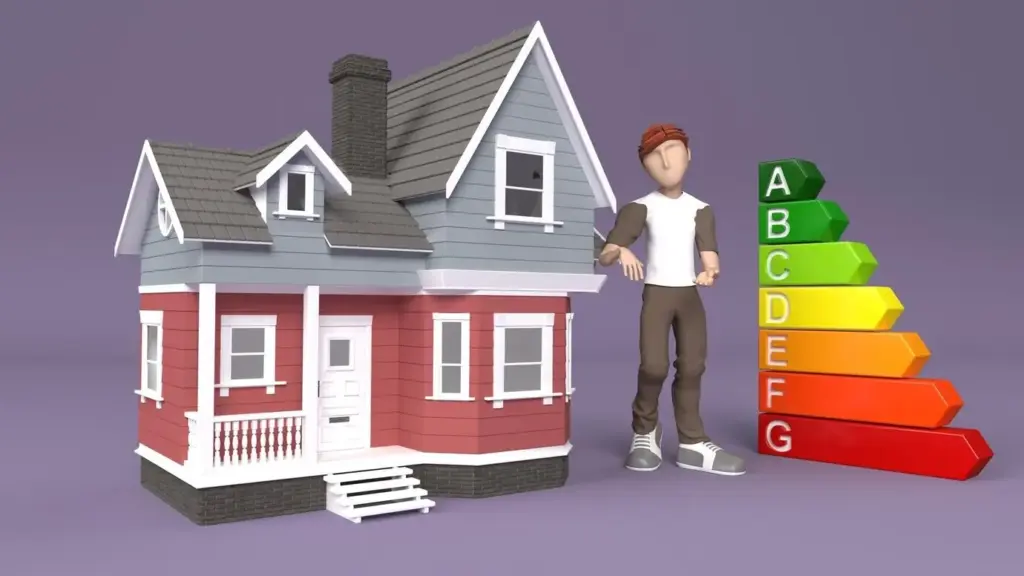
When comparing options, define cradle-to-gate, use, and end-of-life stages clearly, because the accounting can flip conclusions. Include modules A1–A3, B, C, and D where applicable, and track biogenic carbon separately from fossil emissions. Transparent assumptions prevent greenwash and help you prioritize decisions that actually lower cumulative atmospheric carbon over decades.

Mass Timber Done Right

Cross-laminated panels and glulam beams can replace energy-intensive steel and concrete in many residential spans, while bringing warmth you can see. Specify moisture content targets, protected erection sequences, and robust air-vapor control to prevent hidden decay. Detail connections for inspectability and potential future disassembly, and leverage charring behavior for predictable fire resistance without toxic coatings.

Plant-Based Walls With Hemp, Straw, and Bamboo

Hemp-lime, straw bale, and laminated bamboo create walls that breathe, buffer humidity, and cradle carbon securely. Match each system to climate and craft capacity, from cast-in-place hempcrete around timber frames to preformed straw panels. Avoid cement-heavy binders where possible, choose lime-based mixes, and verify supply chains to ensure fibers are grown regeneratively and harvested responsibly.

Insulation That Stores and Saves

Cellulose, wood fiber, cork, and sheep’s wool insulate while locking biogenic carbon in low-toxicity assemblies. Dense-pack cellulose fills irregular cavities beautifully; wood fiber boards add exterior resilience and diffusion openness. Confirm insect and fire treatments meet health standards, coordinate ventilation strategies accordingly, and celebrate the quiet comfort that comes from walls working with nature, not against it.

Detailing for Longevity, Fire Safety, and Moisture Control
Keep It Dry: The Hygrothermal Game Plan

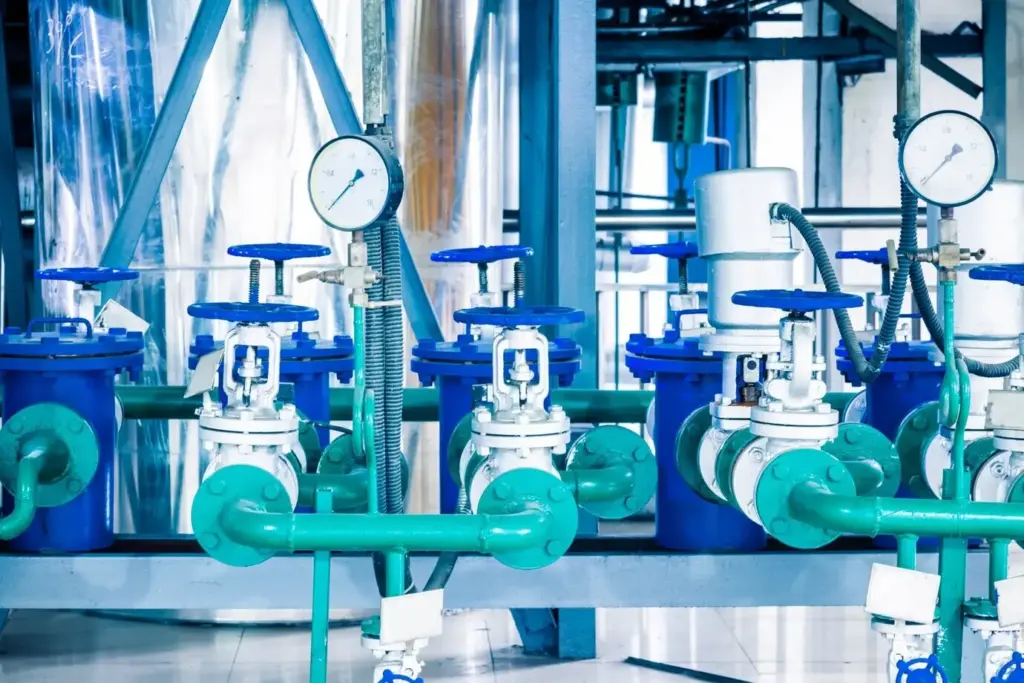
Begin with continuous water control, then air control, then vapor control, in that order. Use hygrothermal modeling to test assemblies with wood fiber or cellulose under driving rain, solar vapor, and interior loads. Combine rainscreens, capillary breaks, and ventilated cavities so occasional wetting is followed by swift drying, extending the service life of every carbon-rich layer.

Fire Performance Without Fear

Mass timber chars and slows heat penetration, buying precious time, while smaller members need layered protection. Choose tested assemblies, concealed intumescent where necessary, and smart sprinklers. Keep cavities clean, route services thoughtfully, and coordinate with local officials early. Safety and carbon storage reinforce each other when details are legible, documented, and rehearsed on site before installation.

Finishes and Maintenance That Protect the Carbon Bank

Select breathable, low-VOC coatings, plant-based oils, and lime plasters that welcome seasonal moisture swings. Exterior charred wood or durable species age gracefully with simple care. Create maintenance calendars, teach residents small routines, and leave an illustrated manual. Light, regular attention prevents expensive failures, keeps indoor air pleasant, and preserves the stored carbon quietly doing its job.

Responsible Sourcing, Certification, and Carbon Accounting

Every carbon-smart assembly begins with trustworthy supply chains and honest numbers. Prefer wood from responsibly managed forests, agricultural fibers from regenerative farms, and manufacturers who publish third-party verified Environmental Product Declarations. Read biogenic carbon lines carefully, including temporary storage and end-of-life scenarios. Local fabrication reduces freight emissions and improves communication, turning complex coordination into neighborly collaboration that strengthens communities.

Traceable Wood, Trusted Forests

Insist on FSC or equally rigorous certification, but look beyond logos to actual forest practices, species, and rotation lengths. Ask suppliers about mill efficiency, drying fuel sources, and byproduct use. Durable, dimensionally stable species reduce waste on site. When your studs and panels have stories you can verify, residents feel pride, and neighbors see forests as partners, not mines.

EPDs, Biogenic Carbon, and Honest Numbers

EPDs using EN 15804 or ISO 14067 frameworks reveal embodied carbon and storage assumptions. Compare declared unit, system boundaries, and end-of-life modules carefully. Favor products with renewable energy inputs and clear biogenic accounting. If data are missing, request them; your ask pushes markets forward. Precision today prevents regrettable specifications that lock in emissions for decades unnecessarily.

Local Fabrication, Fewer Miles, Lower Risk

Transport emissions add up, and long logistics lines magnify schedule risk. Prefabricated timber components from regional shops arrive dry, accurate, and protected. Factory conditions enable better adhesives management and waste recovery. Meanwhile, your project dollars support skilled jobs nearby, which builds capacity for the next carbon-storing home and cultivates ongoing maintenance partnerships residents can rely on confidently.

Design for Adaptability, Reuse, and End-of-Life Recovery

Storage grows more powerful when materials remain useful across multiple lifetimes. Design layers so components can be replaced independently, and join them with reversible fasteners. Size modules to fit standard sheet goods and trucks, limiting cuts and damage. Anticipate remodels, leave space for new systems, and document pathways, so future builders extend the carbon story rather than erasing it.

Reversible Joints and Clear Layers

Bolts, screws, wedges, and dovetails support strength today and disassembly tomorrow. Keep structure readable, services accessible, and finishes sacrificial. Label parts and provide drawings that actually match as-built conditions. When every layer has a purpose and a path, future teams can recover components intact, preserving stored carbon and honoring the craft that placed it there initially.

Modularity That Welcomes Change

Dimension rooms and facades to grids that align with panel sizes, cabinetry modules, and furniture systems. Flexible partitions on track allow new configurations without demolition. Kitchens and baths cluster wet services for future swap-outs. Residents gain freedom to grow or downsize gracefully, while materials remain valued assets instead of rubble, keeping biogenic carbon in circulation, not landfill methane.

Circular Pathways and Take-Back Programs

Ask suppliers about take-back agreements for timber offcuts, insulation scraps, and components at end of service. Partner with salvage yards and digital material marketplaces to record provenance. When renovation arrives, carefully unbuild, not smash. These logistics reduce disposal fees, inspire local makers, and turn your project into a steady source of reclaimed, carbon-rich materials for the community.

From Model to Reality: Monitoring That Matters

Install moisture sensors in risky assemblies, use low-cost air quality monitors, and commission ventilation carefully. Compare predicted loads with real bills, and invite residents to annotate anomalies with stories about holidays, storms, or repairs. This narrative data empowers better tuning, improves comfort, and reveals how well your carbon-storing assemblies are aging in everyday life, not just spreadsheets.

Resident Rituals That Keep Carbon Stored

Simple habits make a big difference: clearing vents, checking gutters, wiping condensation, and reporting small leaks early. Provide joyful prompts through friendly emails or a magnet calendar. Pair chores with benefits like quieter rooms and lower bills. When care becomes community culture, stored carbon persists, and homes feel loved, not merely occupied, which matters more than specifications ever can.
Zazekunuzefi
Privacy Overview

This website uses cookies so that we can provide you with the best user experience possible. Cookie information is stored in your browser and performs functions such as recognising you when you return to our website and helping our team to understand which sections of the website you find most interesting and useful.