
Old Homes, New Carbon Wisdom

Today we dive into retrofitting existing homes with carbon‑sequestering materials, transforming familiar rooms into resilient, healthier spaces that quietly store atmospheric carbon. Expect practical guidance, clear decision frameworks, and field‑tested stories that turn ambition into action. If you’ve ever wondered how to lower emissions without rebuilding from scratch, you’re in the right place—let’s make meaningful, beautiful progress together, one wall, attic, and finish at a time.

Start at the Envelope, Win Everywhere

A successful upgrade begins where heat escapes and moisture lingers. By focusing on the envelope first, you reduce energy demand, unlock comfort gains, and create ideal conditions for carbon‑storing materials to perform. Thoughtful sequencing prevents rework, respects budgets, and ensures each layer—from insulation to finishes—supports durability, breathability, and indoor air quality without compromising architectural character or daily routines.

Understand Embodied Carbon at Home

Embodied carbon is the pollution released before a product reaches your wall: extraction, manufacturing, transport, and disposal. Choosing biogenic, plant‑based materials flips the script by storing carbon absorbed during growth. Quantify impacts using Environmental Product Declarations, favor regional supply chains, and compare retrofit options with simple calculators. Small choices—like cellulose over foam—can shift your home’s carbon story for decades while keeping you warm.

Align Breathability with Moisture Realities
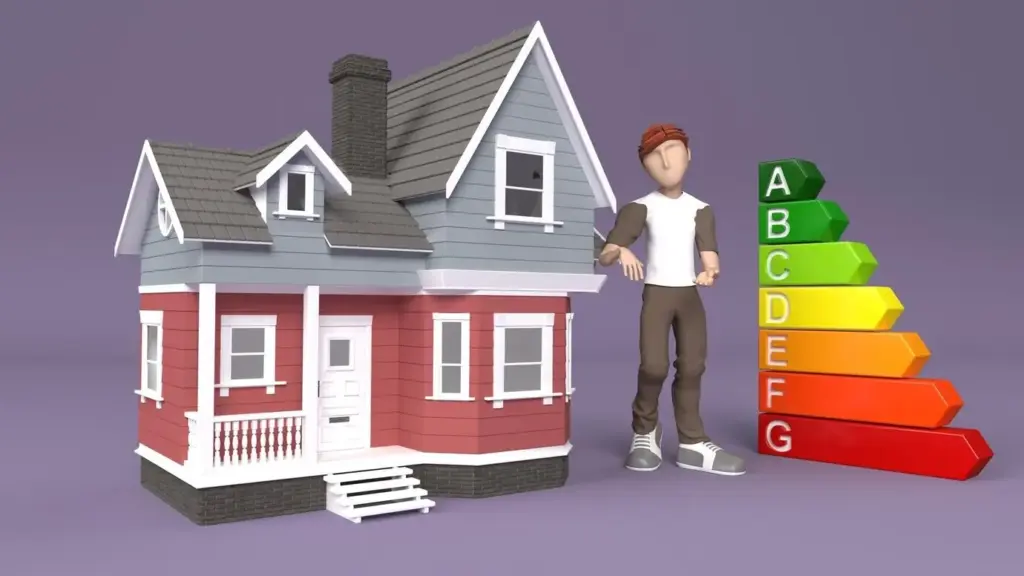
Retrofitting with vapor‑open materials lets assemblies dry in more than one direction, reducing mold risk and repair costs. Pair wood fiber, hemp‑lime, or cork with smart membranes and lime plasters to balance diffusion and airtightness. Map dew points, verify existing conditions, and avoid trapping moisture behind impermeable layers. When assemblies can safely dry, carbon‑sequestering materials deliver performance without hidden compromises or uncomfortable surprises.

Materials That Lock Carbon in Place

From plant‑based insulation to mineral finishes that cradle biochar, modern choices allow you to capture carbon within familiar assemblies. Each option carries unique strengths—thermal performance, moisture buffering, or acoustic calm—yet they share a common promise: durability with lower climate impact. Learn where each material shines, how it installs in existing structures, and what to expect during and after construction in real homes like yours.

Detailing for Moisture, Fire, and Code Confidence

Safety and durability govern every successful upgrade. Vapor‑open does not mean leaky; airtight does not mean trapped moisture. Craft assemblies with clear drying paths, fire‑resistant surfaces, and code‑compliant detailing. Coordinate with local inspectors early, bring data sheets to conversations, and document assemblies with photos. When professionals and homeowners share understanding, projects move faster, pass inspections smoothly, and deliver long‑term comfort alongside measurable carbon benefits.

Moisture Paths, Flashings, and Smart Membranes

Map how water gets in and out. Repair bulk water paths first: roofs, gutters, site drainage, and flashing continuity. Then target vapor and air movement with smart membranes and careful taping. Wood fiber and hemp‑lime thrive when assemblies dry. Avoid double vapor barriers, verify venting, and use hygrothermal modeling when complex. A well‑detailed wall forgives small errors, remains stable across seasons, and quietly protects stored carbon.

Fire Performance Without Compromise

Bio‑based does not mean vulnerable. Lime plasters, gypsum layers, and mineral coatings deliver robust fire resistance when properly detailed. Encapsulate materials where required, respect clearances around flues, and follow manufacturer fire ratings. In many tests, assemblies achieve impressive classifications thanks to charring behavior and protective finishes. Share documentation with fire officials early, and treat penetrations, junctions, and electrical boxes as high‑priority detailing zones.

Permits, Standards, and Friendly Inspectors

Bring inspectors into the process early with clear drawings, product data, and precedents. Reference recognized standards, Environmental Product Declarations, and fire ratings. Acknowledge unknowns, propose mock‑ups, and invite site visits. Building departments appreciate transparent communication and staged inspections. When officials understand performance intent—breathable assemblies, robust fire layers, and airtightness—they become partners in success, helping innovative materials pass smoothly from plan to comfortable reality.

Room‑by‑Room Upgrade Playbook

Every part of a house presents distinct opportunities. Roofs invite continuous insulation, walls welcome breathable layers, and floors crave thermal breaks. By tailoring methods to spaces, you unlock comfort and resilience without unnecessary demolition. Learn how different assemblies interact, how to phase work around busy lives, and how to balance aesthetics with performance so improvements feel intentional, cohesive, and worthy of your home’s character.

Costs, Phasing, and who Does the Work
Budgets thrive on clarity. Combine energy modeling with material carbon accounting to prioritize actions that deliver comfort and climate gains together. Phase projects around seasonal windows, roof replacements, or paint cycles. Mix DIY tasks—like interior plastering—with professional air‑sealing or exterior insulation. Incentives, tax credits, and green loans can close gaps. Transparent planning keeps excitement high, surprises low, and every invested dollar working overtime for decades.

Air Quality, Calm, and Everyday Comfort

Clay and lime finishes buffer indoor humidity, reducing mold risk and supporting comfortable breathing. Cellulose and wood fiber quiet streets and footsteps, creating restful rooms. Without petrochemical odors, spaces feel fresher from day one. Track temperature swings and CO₂ levels to notice subtle improvements. Guests often comment on the peaceful acoustic quality, a daily reminder that climate‑friendly choices can be sensorially delightful and deeply human.

Care and Maintenance that Respects Materials

Most bio‑based assemblies favor gentle care: breathable paints, non‑film‑forming sealers, and occasional inspections for tape adhesion or flashing integrity. Lime plasters can be touched up rather than replaced. Keep gutters clear, manage splash‑back, and maintain ventilation paths. These habits protect performance and aesthetics, ensuring the stored carbon remains sheltered while your home ages gracefully, ready for simple, non‑toxic repairs when life inevitably leaves a scuff.

Measure, Celebrate, and Share

Quantify progress with utility bills, blower‑door results, and material carbon tallies. Photograph details before covering layers, then publish a short post for neighbors or a community forum. Invite questions, compare notes, and mentor another household starting out. Your experience accelerates adoption, multiplying impact beyond your property line. Subscribe here for deep dives, tool lists, and case studies, and leave a comment describing what you plan to tackle next.

Zazekunuzefi
Privacy Overview

This website uses cookies so that we can provide you with the best user experience possible. Cookie information is stored in your browser and performs functions such as recognising you when you return to our website and helping our team to understand which sections of the website you find most interesting and useful.